
A lace frontal can completely make or break your hairstyle, but the massive price gap in today’s market has left many buyers wondering if they are falling for a marketing scam. How can one vendor sell a piece for $30 while another charges $200 for what looks like the exact same product online? The truth is, while some high retail prices are indeed pure marketing markup, dirt-cheap frontals often hide costly compromises in hair quality and construction.
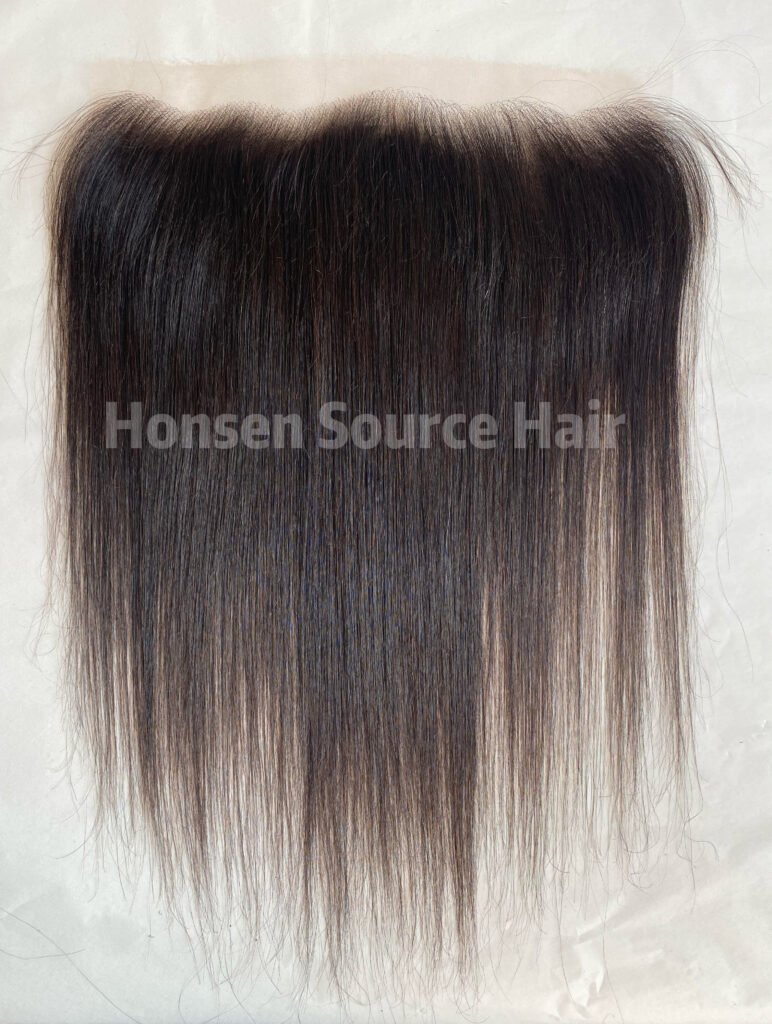
To help you avoid getting ripped off, let’s pull back the curtain on what you are actually paying for when comparing cheap versus expensive units.
- The Lace Quality: Standard vs. True HD Invisible Lace
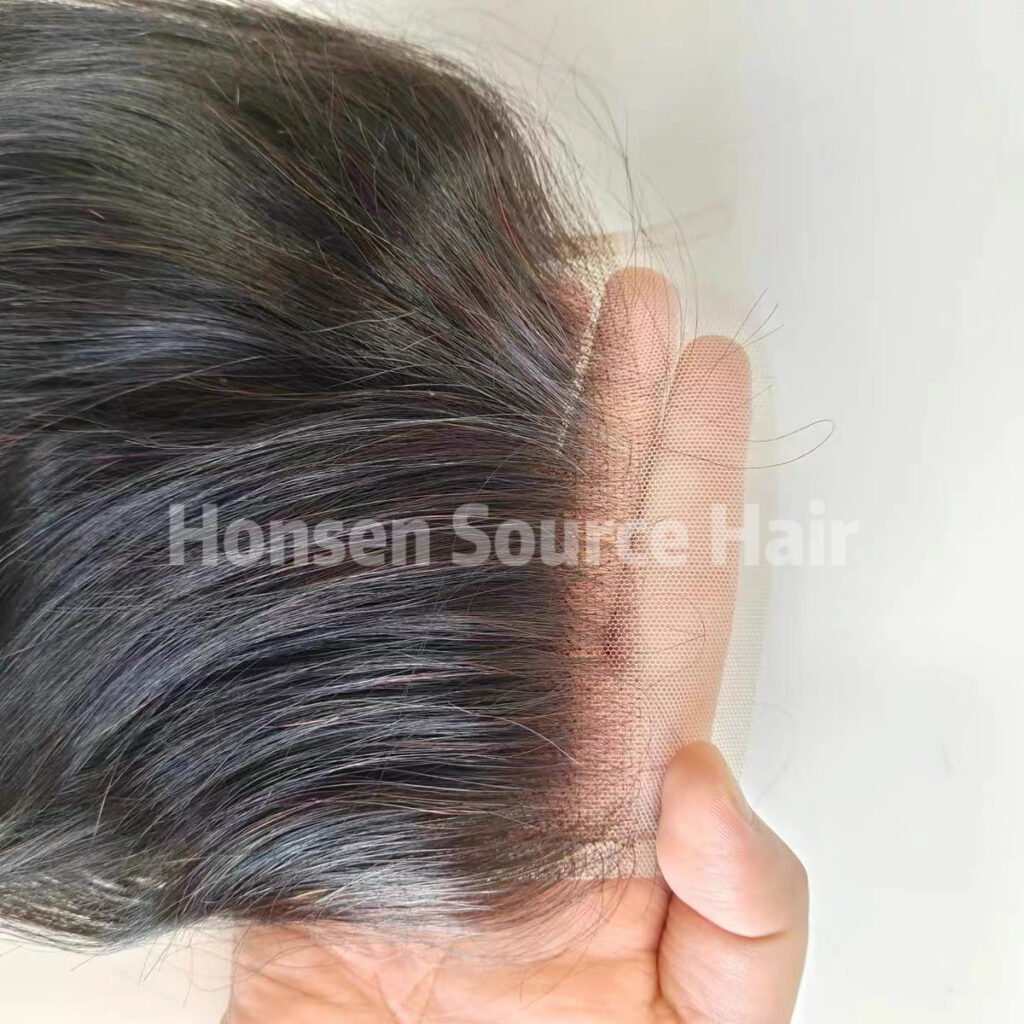
The most critical component of a premium lace frontal is the mesh material itself. Cheap vendors often use thick, stiff Korean lace that is scratchy on the scalp and nearly impossible to tint or blend seamlessly into your skin.
In contrast, high-quality, pricier lace wigs utilize ultra-thin Swiss lace or genuine High-Definition (HD) lace. True HD lace melts effortlessly into any skin tone upon contact, but because it requires delicate, expert ventilation, it costs more to manufacture. If a deal seems too good to be true, the vendor is likely substituting premium invisible lace with cheap, visible netting.
- Hair Sourcing: Virgin Remy Hair vs. Chemically Treated Mixed Hair
Another area where cheap alternatives cut corners is the raw material. A premium lace frontal should feature 100% virgin human hair with cuticles facing the same direction to prevent matting.
To lower costs, budget-friendly brands often mix low-grade floor hair with synthetic fibers or animal hair, coating the mixture in heavy silicone to make it appear shiny in the box. After just one or two washes, that silicone layer strips away, leaving behind a tangled, shedding nightmare. This is why salon owners who prioritize longevity look for trusted human hair wigs wholesale supply chains that guarantee raw, uncompromised hair source material at fair prices.
- Craftsmanship: Hand-Tied Knots vs. Mass Production
The ventilation process—how hair is knotted into the lace—determines how natural your hairline looks. An expensive, high-quality lace frontal features tiny, single knots that have been meticulously hand-tied and pre-plucked.
Cheap frontals are mass-produced with large, double knots that look like harsh black dots along your forehead. Bleaching these oversized knots often ruins the lace, leading to premature balding of the hair piece.
How to Get Premium Quality Without the Retail Scam
So, how do you find top-tier lace wigs without overpaying for retail brand hype? The secret is sourcing your hair directly from the manufacturing origin.
By partnering with factory-direct suppliers like Honsen Source Hair, you completely eliminate middleman retail markups. Buying through a factory channel allows everyday consumers and stylists to access premium human hair wigs wholesale pricing on expertly crafted units. Trusted manufacturers like Honsen Source Hair focus their resources on sourcing premium raw hair and refining their hand-tied lace techniques rather than overspending on aggressive social media advertising.
Conclusion: Value Over Hype
When it comes to buying a lace frontal, extreme pricing on both ends can be misleading. A ridiculously cheap price tag is almost always a red flag for poor hair quality, while an astronomical retail price might just be paying for a brand’s fancy packaging.
By understanding the differences in lace thickness, hair sourcing, and knot craftsmanship, you can protect your investment. Choose direct-from-factory suppliers to ensure you get the flawless, undetectable look you deserve at an honest, transparent price!