
Custom Wig Manufacturer for Trend and Classic Collections
A strong custom wig manufacturer can help brands balance two product directions: timeless styles that support steady demand and trend-led designs that respond to changing consumer preferences. For retailers, salons, distributors, and private-label brands, combining these approaches can create a broader product matrix without making the collection feel disconnected. The goal is not to replace classic wigs with every new trend, but to use both strategically.
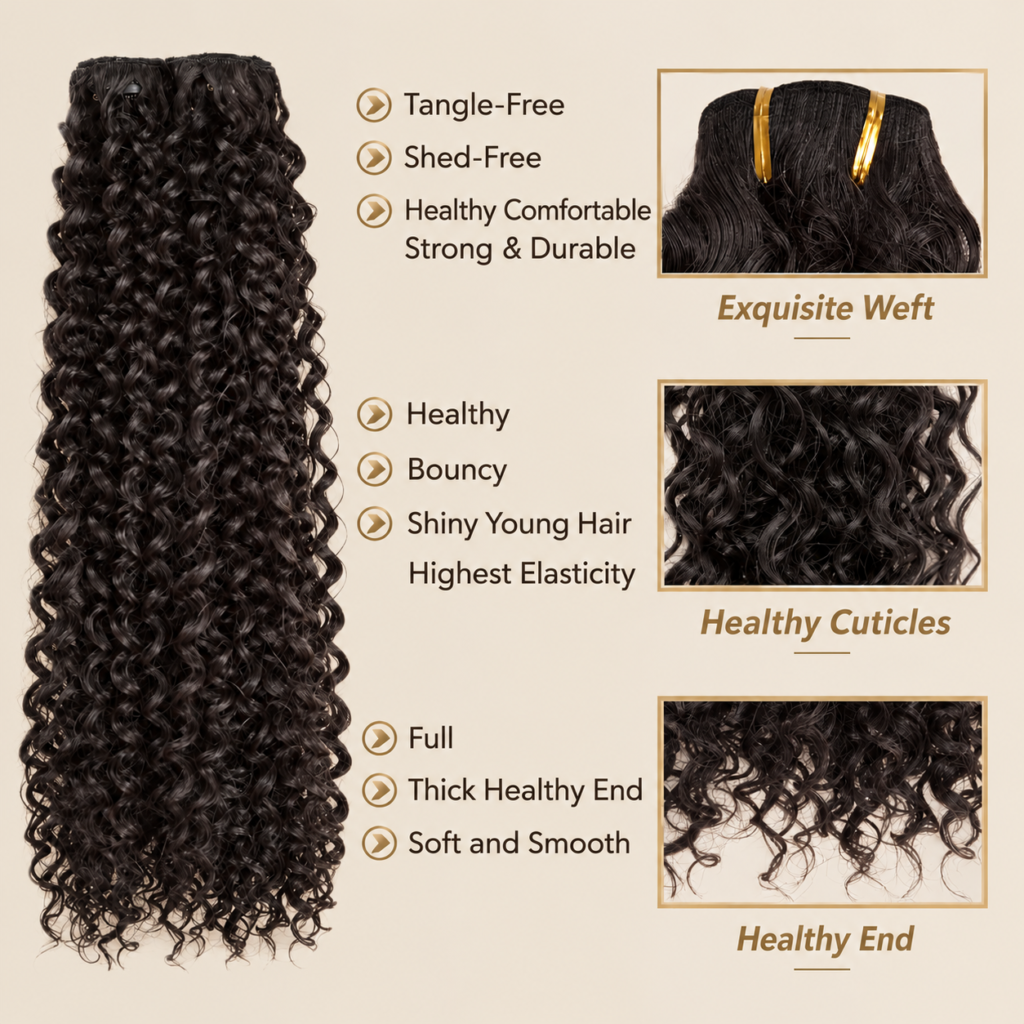
Why Classic Styles Still Matter
Classic wig styles provide a dependable foundation for a wholesale collection. Natural straight, body wave, deep wave, and familiar lace constructions have broad recognition and can remain relevant across customer groups. Their established appeal makes them useful core products when businesses plan inventory.
This balance is particularly relevant to wholesale human hair wigs. A collection built only around short-lived trends may require frequent changes, while a collection made entirely of traditional styles may have fewer opportunities to respond to emerging preferences.
Classic products also give brands a stable foundation from which to introduce new colors, textures, lengths, or construction details. Instead of replacing the existing collection, businesses can gradually build new variations around products customers already recognize.
How Trends Add New Product Opportunities
Fashion trends can influence hair color, texture, length, density, parting, and styling preferences. A brand that monitors these changes can introduce selected trend-led products while keeping established bestsellers.
For example, a classic body wave wig can remain a core product while a trend-focused variation introduces a different density, length, color, or lace design. A familiar lace construction can also become a new product concept when combined with a contemporary texture or styling direction.
A practical process is:
Classic foundation → Trend research → Product adaptation → Sample testing → Market feedback → Collection expansion
The objective is not to follow every trend. Businesses can identify trends that fit their target customers and translate them into commercially practical products.
Creating a Balanced Product Matrix
A diversified product matrix should give different products clear roles.
Core classics: Widely recognized textures, colors, lengths, and constructions that provide dependable products.
Trend-driven styles: New colors, textures, silhouettes, or styling preferences that refresh the collection.
Premium designs: Refined lace, higher-grade hair, specialized construction, or detailed finishing for elevated positioning.
Brand-specific products: Customized specifications, packaging, or feature combinations that strengthen brand identity.
For wholesale wigs vendors, this structure can make product planning easier because each category serves a defined purpose rather than simply increasing the number of SKUs.
A balanced matrix also makes it easier to compare product performance. Established styles can provide a stable sales reference, while trend-led products can be evaluated based on customer response before receiving greater inventory investment.
Customization Connects Classics With Trends
Customization becomes especially useful when a brand wants to adapt a proven product to a new market direction.
A classic wig does not need to remain unchanged. Businesses can adjust length, density, texture, color, lace type, cap construction, or packaging to create new variations. An established body wave style, for instance, can be developed in a different length or density for another customer group.
This is where a custom wig manufacturer can contribute beyond basic production. The manufacturer can help translate a product concept into defined specifications that can be sampled, reviewed, and reproduced for bulk orders.
A flexible human hair wig supplier can also support brands that want to develop new variations without completely rebuilding their sourcing structure. This makes customization a practical bridge between established products and emerging market preferences.
Using Lace Products to Refresh Collections
Lace products provide another way to combine familiar constructions with changing design preferences. Lace wigs wholesale can include established silhouettes while allowing brands to experiment with hairline design, lace size, density, texture, and styling.
A brand may keep a familiar lace front silhouette as a core product while introducing a new texture, length, or refined specification.
This gives lace wigs wholesale a role in both mainstream and premium product planning. Instead of treating every new style as an independent product, brands can use existing constructions as a foundation for controlled variations.
For wholesale human hair wigs, this approach can create more product choices while keeping the overall collection connected through recognizable constructions and consistent brand positioning.
Why Trend Integration Should Be Controlled
Following trends too aggressively can create unnecessary inventory pressure. Not every popular style has lasting commercial value, and consumer interest can change quickly.
A controlled approach is to test selected designs before expanding them. Sample approval, trial quantities, customer feedback, and sales data can help buyers determine whether a trend deserves a larger role.
This approach also protects the role of classic products. Instead of replacing established products whenever a new trend appears, brands can add carefully selected variations around an existing foundation.
A custom wig manufacturer that supports both repeatable classic specifications and new product development can make this transition more manageable.
Building Products Around Real Customer Needs
Trends are useful only when they connect with actual customer demand. Before adding one, brands should evaluate the target customer, use occasion, key product features, differentiation, and whether specifications can be reproduced consistently.
A custom wig manufacturer that can support these requirements gives brands more flexibility when moving from market research to product development.
For businesses working with a human hair wig supplier, this means product development can be connected with real customer requirements rather than being driven only by temporary fashion trends.
Honsen Source Hair and Flexible Product Development
Honsen Source Hair combines established wig categories with flexible product development for B2B buyers. This approach can support collections that include dependable classic styles alongside customized products designed for specific market opportunities.
Instead of treating customization as a separate process, brands can use it to evolve existing products. A familiar texture can receive a new length, a classic lace construction can gain a different density, or a proven design can be adapted for private-label packaging.
For brands evaluating a human hair wig supplier, this flexibility can make product-line expansion more structured. Honsen Source Hair supports the broader concept of combining standard products with customized specifications so buyers can develop collections according to market positioning.
Conclusion: From Classic Foundations to Trend-Led Growth
The strongest product matrix does not need to choose between classic and trendy styles. Classic products provide a recognizable foundation, while selected trends create opportunities to refresh the assortment and reach new customer preferences. By testing trends, adapting proven constructions, and using customization strategically, brands can expand without losing product consistency.
For wholesale wigs vendors, this balance can make assortment planning more practical. Instead of continuously replacing older products, businesses can build product layers that serve different customer needs and price positions.
Honsen Source Hair provides a flexible sourcing approach for B2B buyers developing adaptable collections. By working with a custom wig manufacturer that understands established demand and changing market preferences, brands can develop wholesale human hair wigs that balance familiarity, differentiation, and long-term product-line flexibility.