
Wholesale Human Hair Wigs: How to Reduce Color Fading Complaints
Wholesale human hair wigs require consistent color quality to help businesses reduce customer complaints, protect brand reputation, and encourage repeat orders. Color fading may result from dye processing, frequent washing, sun exposure, heat styling, or unsuitable hair care products. For wig brands, retailers, and salon owners, understanding these factors is essential to setting quality standards, providing accurate care instructions, and improving customer satisfaction.
1. Identify the Main Causes of Color Fading
Before investigating a complaint, determine whether the hair was naturally colored, dyed, or lightened. Chemically processed hair may be more vulnerable to dryness and color changes, especially when exposed to frequent washing or high temperatures.
For virgin hair wholesale, clarify the difference between the original hair material and the finished product. Virgin hair refers to hair that has not undergone chemical processing before collection or preparation, according to the supplier’s definition and specifications. If the finished hair has been dyed or bleached, it should not be described as unprocessed in its current condition.
Other factors include prolonged sunlight exposure, chlorine, salt water, harsh shampoos, and excessive heat. Buyers should investigate these conditions before concluding that fading is caused by a manufacturing defect.
2. Establish Clear Color Quality Standards
Businesses sourcing wholesale human hair wigs should define acceptable color consistency before production. Record the approved shade, color reference, processing requirements, and sample approval details. For bulk orders, compare finished products against an approved reference under consistent lighting.
A reliable wholesale human hair wigs supplier should communicate whether a shade requires bleaching, dyeing, or additional processing. Buyers sourcing virgin hair wholesale should also request accurate information about the product’s processing history rather than relying on marketing labels alone.
For lace wigs wholesale, inspect the hair color and lace appearance separately. This helps identify inconsistencies between the hair, lace area, and approved sample before products reach customers.
3. Test Colorfastness Before Bulk Production
Colorfastness testing helps assess how well a dyed product retains its color under specified conditions. Depending on the product, checks may include controlled washing, wet and dry rubbing, and comparisons before and after exposure to relevant care conditions.
Document the shampoo, water temperature, washing method, drying process, and evaluation criteria. Use repeatable procedures and compare results with agreed acceptance standards. Testing cannot guarantee that color will never change, but it can reveal potential problems before shipment.
For HD lace front wigs wholesale, inspect the hairline and lace area carefully after testing to check for visible color transfer or construction-related issues. Buyers handling glueless wigs wholesale should also verify that any colored hair and cap materials remain consistent with the approved sample.
4. Match Care Instructions to Each Hair Color
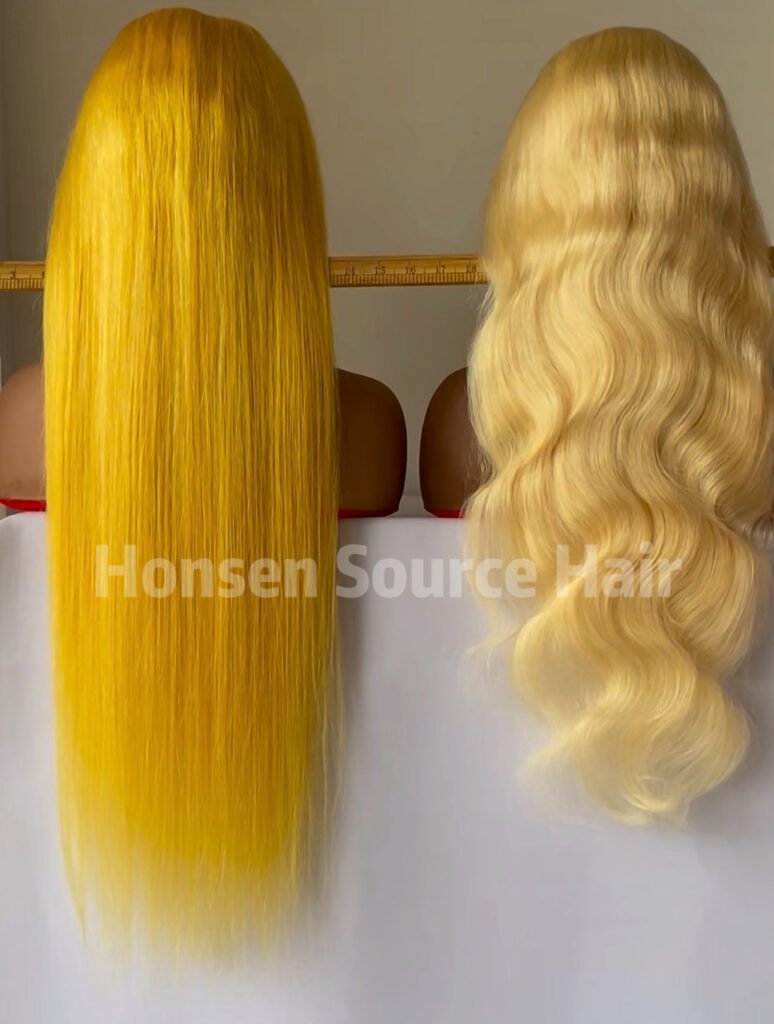
Different shades may require different maintenance advice. Dark colors can lose their depth, while blonde, lifted, and fashion shades may become brassy, dull, or uneven. Avoid assuming every color responds identically to the same care routine.
For wholesale human hair wigs, provide practical instructions covering gentle washing, suitable color-care products, conditioning, and careful detangling. Recommend minimizing unnecessary washing and excessive heat. Customers should follow the care product manufacturer’s directions and avoid harsh treatments that may affect the hair.
For virgin hair wholesale, explain whether the item remains natural in color or has been chemically processed. For HD lace front wigs wholesale, include guidance on keeping styling tools away from delicate lace and adhesive areas. For glueless wigs wholesale, explain how to handle the cap and hairline during washing and styling.
5. Strengthen Supplier Communication and Inspection
Clear communication helps prevent disagreements about color expectations. Before placing an order, share reference images, color codes, desired undertones, and any special processing requirements. Confirm whether the supplier can reproduce the approved shade across the intended quantity.
When evaluating wholesale wigs vendors, ask how they document color batches, inspect finished products, and handle verified defects. A wholesale human hair wigs supplier should explain its quality-control process and help buyers distinguish manufacturing inconsistencies from changes associated with customer care.
For lace wigs wholesale, inspect several units from the batch instead of approving only one sample. For HD lace front wigs wholesale, review the hairline and overall color under consistent lighting. Buyers sourcing virgin hair wholesale should also request accurate product specifications and written confirmation of any dyeing or bleaching.
6. Create a Practical Complaint-Handling Process
When a customer reports fading, request the order reference, product shade, purchase date, and a description of the problem. Photos taken under neutral lighting can help document the change. Ask about washing frequency, products used, heat styling, and exposure to chlorine or sunlight without immediately blaming the customer.
Compare the evidence with the approved sample, batch records, and available test results. If several units show similar unexpected changes, investigate the batch and review production or finishing procedures.
Honsen Source Hair recommends keeping complaint records organized by shade, product type, and batch. This helps businesses identify recurring patterns and improve supplier communication. Retailers and wholesale wigs vendors should also explain care expectations clearly before purchase.
7. Set Realistic Expectations for Different Products
Product descriptions should accurately explain the color, processing history, and maintenance requirements. Avoid promises such as “never fades” or “permanent color.” Human hair can change with repeated washing, environmental exposure, and styling, even when initially produced to a high standard.
For HD lace front wigs wholesale, make sure color claims match the finished product rather than the original raw material. For glueless wigs wholesale, include relevant care instructions without implying that the cap construction prevents hair color changes.
Honsen Source Hair encourages buyers to approve samples, confirm specifications, and establish consistent inspection procedures before ordering larger quantities. Clear product information helps retailers answer questions confidently and reduce misunderstandings.
Reducing color fading complaints requires consistent quality standards, appropriate testing, accurate product descriptions, and practical aftercare guidance. Businesses purchasing wholesale human hair wigs should work with suppliers that communicate processing details, document approved shades, and support product-specific quality checks. Honsen Source Hair encourages B2B buyers to confirm color specifications and care recommendations before bulk production, helping create more reliable customer experiences and stronger long-term business relationships.