
Lace Wigs Wholesale: How to Remove Glue Without Damaging Lace
Lace wigs wholesale buyers and wig wearers need a cleaning routine that removes adhesive without weakening delicate lace. Glue residue can collect along the hairline, cling to knots, and make a wig difficult to reinstall. For lace wigs wholesale, the safest approach is to use a suitable remover, allow it time to work, and avoid pulling or scraping the lace. Gentle cleaning helps preserve the cap while keeping the hairline neat for future wear.
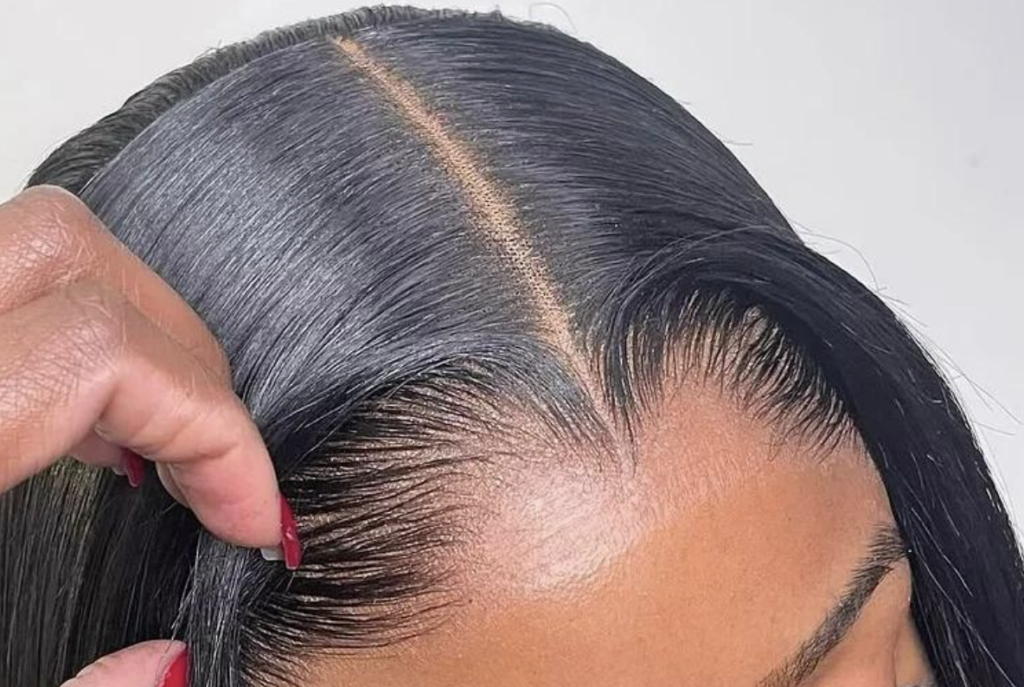
Why Glue Residue Builds Up on Wig Lace
Adhesive can remain on lace when a wig is removed before the bond has fully released. Repeated applications may create layers of dried glue, especially along the forehead area and around the temples. Sweat, skin oils, makeup, and styling products can make residue harder to remove.
Customers comparing human hair wigs wholesale should understand that rough cleaning can damage even quality lace. Buyers evaluating HD lace front wigs wholesale should avoid pulling at dried adhesive, which may stretch holes, loosen knots, or tear the mesh.
What to Prepare Before Removing Glue
Choose a lace-safe adhesive remover designed for wig use. Check the product label and test it on a small, inconspicuous area first. Avoid household solvents, strong alcohol mixtures, acetone, and products that are not approved for the lace or hair material.
Prepare a clean towel, cotton pads, a wide-tooth comb, and a wig stand. Keep hair away from the cleaning area and work with good ventilation. Follow the manufacturer’s instructions for delicate colors or special finishes.
Even glueless wigs wholesale customers may use adhesive for extra security, so retailers should still provide care guidance.
How to Remove Glue Residue Step by Step
1. Secure the wig and separate the hair. Place the wig on a stable stand or clean surface with the lace accessible. Clip or gently move the hair away from the adhesive line. Do not stretch the lace to make the residue easier to reach.
2. Apply remover sparingly. Follow the remover manufacturer’s directions and apply a small amount to the adhesive rather than soaking the entire lace panel. Let it sit for the recommended time so the glue can soften. For lace wigs wholesale products, this gentle approach is preferable to aggressive rubbing.
3. Lift softened residue slowly. Use your fingertips or a soft cotton pad to roll away loosened adhesive. Work in small sections and support the lace from underneath. If the glue does not release easily, apply a little more remover and wait rather than pulling harder.
4. Clean away remaining product. Once the adhesive has lifted, use a clean damp cloth or the method recommended by the remover brand to remove residue. Avoid saturating knots and avoid rubbing back and forth across the mesh.
5. Dry and inspect the lace. Blot excess moisture with a soft towel and allow the lace to air-dry fully. Check the hairline for remaining adhesive, stretched holes, loose knots, or fraying before reinstalling the wig.
With HD lace front wigs wholesale, take extra care around the fine front perimeter. This matters when customers buy lace wigs wholesale. The method also suits human hair wigs wholesale when the remover is compatible with the cap and hair.
Common Cleaning Mistakes That Damage Lace
The most common mistake is peeling dried glue off in one movement. This can pull knots through the mesh or create small tears that become larger during later wear. Scrubbing with a rough brush, using sharp tools, or applying excessive heat can also weaken the lace.
Avoid soaking the entire wig unless the product instructions allow it. Strong chemicals may affect lace tint, hair color, knots, or cap materials. Never reinstall damp lace.
For buyers comparing wholesale wigs China suppliers, ask whether care guidance is provided for the specific lace type. A reliable wholesale human hair wigs supplier should be able to explain suitable cleaning methods and material limitations.
How Buyers Can Evaluate Lace Quality
Before bulk ordering, request close-up images of the lace, hairline, knots, and ear tabs. Ask about lace type, thickness, tint, cap construction, and adhesive guidance when reviewing lace wigs wholesale options. A sample of lace wigs wholesale stock should be tested through normal application, removal, and cleaning.
Businesses sourcing lace wigs wholesale and HD lace front wigs wholesale should compare how the lace responds to careful handling and whether the hairline remains neat after cleaning. Retailers considering glueless wigs wholesale can also check whether the cap offers a secure fit without requiring adhesive for everyday wear.
A dependable wholesale lace wigs vendor provides accurate specifications and care advice. Compare samples, communication, and repeat-order consistency; a second wholesale lace wigs vendor can offer a useful benchmark.
How Suppliers Can Support Better Lace Care
Suppliers serving human hair wigs wholesale buyers can reduce complaints by explaining how to release adhesive, choose a suitable remover, and dry lace safely. Care cards or short videos help customers follow consistent steps. Instructions should distinguish lace types and discourage scraping.
For businesses buying lace wigs wholesale, sample approval should include a care review. Check that descriptions explain lace material and packaging includes maintenance guidance. When comparing wholesale wigs China manufacturers, ask how specifications are checked before shipment.
Honsen Source Hair helps B2B buyers review wig styles, lace details, and customization requirements before bulk production. Honsen Source Hair can also discuss sample feedback and product-care information before repeat orders. A wholesale human hair wigs supplier should welcome questions about lace durability, adhesive compatibility, and aftercare.
Removing adhesive safely depends on patience, a compatible remover, and light handling. Let glue soften, work in small sections, support the lace, and avoid scraping or pulling. Inspect the hairline after drying and follow product-specific care instructions before reinstalling. For retailers, clear guidance can reduce customer damage and improve product confidence. When choosing lace wigs wholesale, compare lace construction, sample performance, and aftercare support—not appearance alone. Honsen Source Hair encourages buyers to review samples and care requirements before confirming larger orders.