
Wholesale Human Hair Wigs: Why Hairlines Change on Camera
Wholesale human hair wigs may look natural in person but appear noticeably different in close-up photos or videos. A hairline that seems soft and realistic under normal lighting can look dense, uneven, shiny, or overly visible when recorded. This does not always mean the wig has a construction problem. Camera distance, lighting direction, exposure, and styling can all influence how the lace and hairline appear on screen.
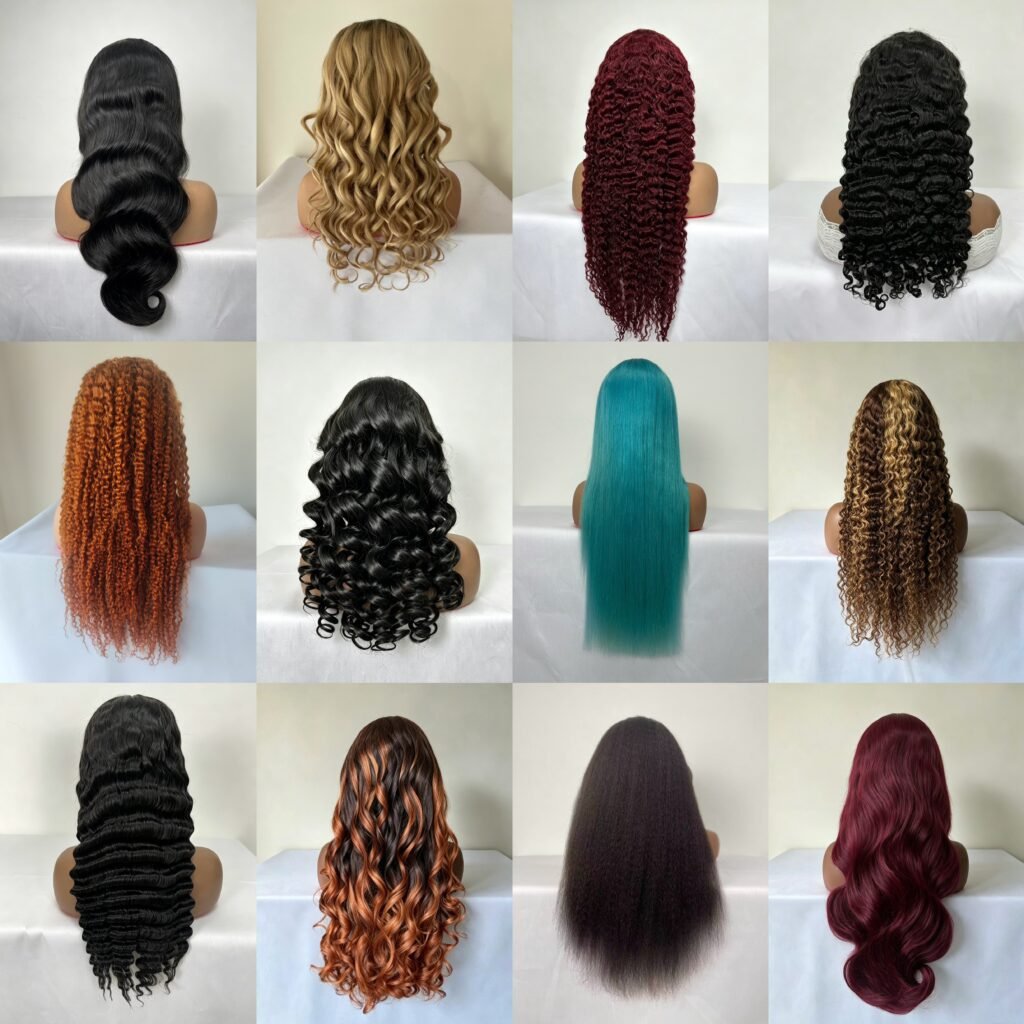
For retailers and salon owners, understanding these differences is important when evaluating product samples and creating marketing content. Customers often judge a wig through online photos before they can inspect it in person. Knowing what affects the camera appearance helps businesses present products more accurately and answer customer questions with confidence.
1. Camera Distance Can Emphasize Hairline Details
Close-up recording makes small construction details more noticeable. Individual knots, the transition between lace and skin, and differences in hair density may become easier to see when the camera is positioned close to the forehead.
A hairline that looks balanced from a normal viewing distance may appear more concentrated in a close-up frame. This is especially noticeable when the front hair is brushed straight back, exposing more of the lace and knot area.
When reviewing wholesale human hair wigs, buyers should inspect the hairline from different distances. A useful assessment includes a close-up view, a normal conversation distance, and a wider view showing the entire hairstyle. This provides a more realistic picture than relying on a single magnified image.
2. Lighting Changes the Appearance of Lace
Lighting is one of the biggest reasons a lace hairline can look different on camera. Strong front lighting may reflect off the lace surface, while overhead lighting can create shadows around the forehead. A bright background may also affect camera exposure, making the lace appear lighter or more noticeable.
HD lace is designed to provide a thin, natural-looking base, but its appearance still depends on skin tone, lighting, placement, and camera settings. Buyers comparing lace wigs wholesale should request images under more than one lighting condition rather than judging transparency from a heavily edited photograph.
For product demonstrations, use soft, even lighting and avoid placing a strong light source directly behind the model. Keep the camera exposure consistent when comparing different units.
3. Hairline Density Can Look Different on Screen
Density distribution influences how naturally the front of a wig blends into the hairstyle. If the hairline is too uniform or heavily concentrated, close-up footage may make it look less realistic. A gradual transition from the front hairline toward the main body of the wig usually creates a softer visual effect.
This is not simply a question of overall density. A wig can have substantial fullness while maintaining a lighter-looking front. The distribution of hair near the temples and forehead also matters.
When assessing wholesale human hair wigs, buyers should check whether the front density matches the intended style. A sleek pulled-back look exposes more of the hairline, while a style with loose layers may partially cover the transition area.
4. Camera Angles Reveal Different Hairline Features
A straight-on camera angle shows the overall shape of the hairline, while a side angle can reveal temple coverage, lace edges, and how the unit sits near the ears. A camera positioned above the forehead may make the front look flatter or more exposed.
These differences are particularly relevant for glueless wigs wholesale products. Since the unit is not necessarily secured with adhesive along the entire hairline, correct positioning and cap fit can influence how the lace sits during filming.
Retailers should record the same unit from the front, both sides, and a slightly elevated angle. This makes it easier to identify whether an unusual appearance comes from the product, the installation, or the camera position.
5. Styling and Hair Direction Affect the Result
Hair direction can change how much of the lace is visible. Brushing all the hair backward exposes the front edge, while a side part or softly arranged baby hairs can create a different visual impression.
However, styling should not be used to hide a construction issue. If the lace repeatedly lifts or the hairline looks uneven after basic adjustment, buyers should examine the cap fit and front construction.
Businesses sourcing virgin hair wholesale should also consider how the hair responds to styling. Natural movement, strand direction, and texture consistency can influence the final appearance in both photographs and videos.
6. How Buyers Should Evaluate Hairlines Before Bulk Orders
A single promotional image is not enough to assess a product. Buyers should request unfiltered photos and short videos showing the hairline under consistent lighting. Ask for front, side, and close-up views, as well as footage of the wig being moved naturally.
A reliable wholesale human hair wigs supplier should be able to explain lace type, hairline design, density options, and cap construction. These details help retailers compare samples using consistent criteria instead of relying only on attractive product photography.
For businesses purchasing wholesale human hair wigs, sample testing is especially useful before confirming a large order. Check the lace edge, knot appearance, temple shape, and how the unit fits the intended head size. If the product is designed for a particular audience or brand identity, discuss the specifications with a custom wig manufacturer before production.
A wholesale wigs China manufacturer should also provide clear product information and realistic images. Buyers can compare the sample with the supplier’s original photos to identify differences in lighting, styling, or presentation.
7. How Suppliers Can Help Improve Product Presentation
Suppliers can support better customer expectations by providing consistent product photography and practical video demonstrations. Showing the same wig under soft indoor lighting, daylight, and close-up recording gives buyers a more complete understanding of its appearance.
For retailers offering lace wigs wholesale, clear visual information can reduce misunderstandings about lace transparency and hairline density. Businesses selling glueless wigs wholesale can also demonstrate how correct cap positioning affects the front edge.
Honsen Source Hair encourages buyers to review hairline details, lace construction, and sample performance before bulk purchasing. A second product check under different camera angles can help businesses distinguish actual construction concerns from filming effects.
For brands that require specific hairline shapes or lace configurations, a custom wig manufacturer can discuss suitable specifications before production. Honsen Source Hair also supports product discussions for buyers comparing wholesale human hair wigs and different lace options.
A hairline may look different on camera because of close-up distance, lighting, camera angles, density distribution, and styling. These factors can change how lace and knots appear without necessarily indicating a defect. Buyers should evaluate products under consistent conditions and request several views before making purchasing decisions. For reliable product assessment and wholesale sourcing, wholesale human hair wigs buyers can work with Honsen Source Hair to review construction details and choose specifications that meet their customers’ expectations.