
Custom Wig Manufacturer: Serving More Customers With Better Fit
A custom wig manufacturer can help brands serve more customers by offering cap sizes that reflect differences in head measurements, hair volume, and wearing preferences. For retailers sourcing wholesale human hair wigs, a better fit can improve comfort, stability, and customer confidence. Instead of relying on one standard size, buyers can assess whether additional cap options make sense for their audience, product range, and budget.
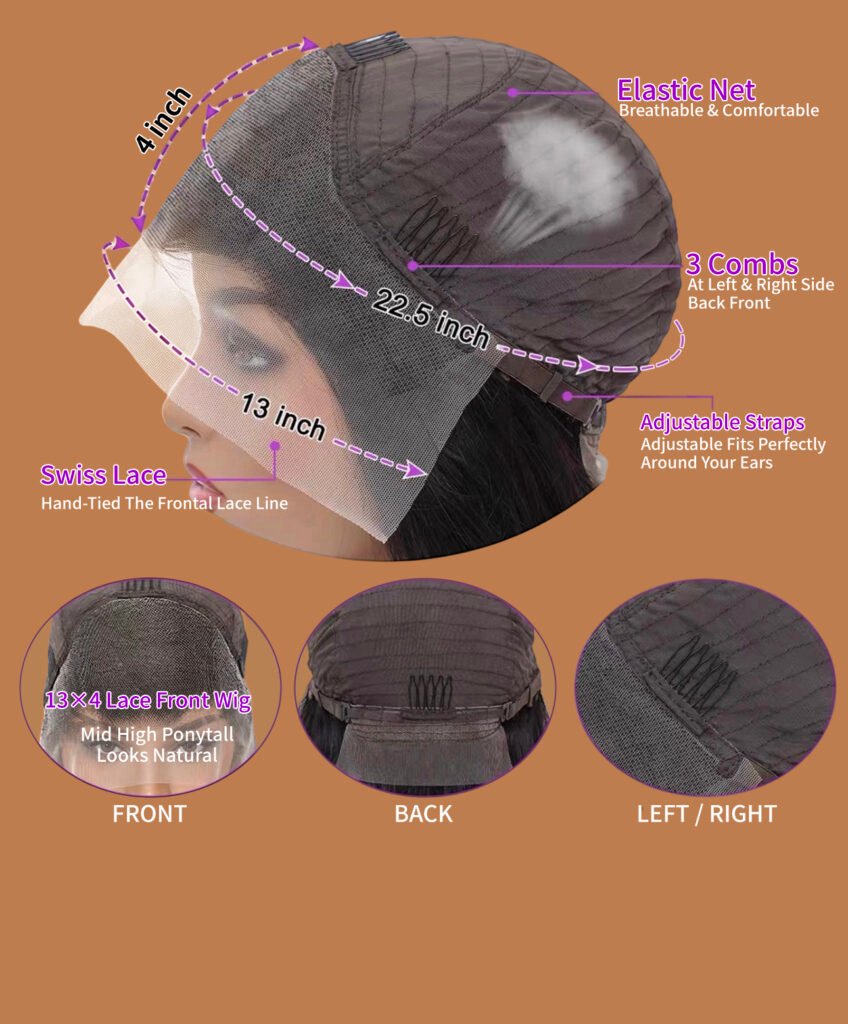
Why Cap Size Matters to Customers
A wig cap that is too tight may create pressure around the temples, hairline, or nape. A cap that is too loose can shift during movement, bunch at the back, or make the hairline harder to position naturally. Both issues can lead to complaints, exchanges, and returns.
Offering more size options does not mean every style needs a large size range. Buyers should first review customer feedback, return reasons, and sales data to identify where fit problems occur. For wholesale human hair wigs, clear measurements and consistent sizing can be just as important as texture, length, and density.
How to Measure for a Better Fit
Use a flexible tape to measure head circumference around the hairline, above the ears, and across the nape. Keep the tape level and comfortably snug. Depending on the cap design, front-to-nape and ear-to-ear measurements may also help clarify fit.
Ask suppliers whether their size chart describes head measurements or the cap’s actual dimensions. Confirm whether measurements are taken with the cap relaxed or stretched, and compare the chart with a physical sample. A custom wig manufacturer should document the agreed measurement method so sizing stays consistent between samples and production batches.
Retailers should also consider the volume of a customer’s natural hair beneath the cap, preferred hairstyles, and how much adjustment the wearer wants. Straps and elastic bands can fine-tune a fit, but they cannot fully correct a cap that is significantly too small or large.
Choose a Practical Range of Cap Options
A size range might include petite, average, and large options, provided each label corresponds to verified measurements. Some brands may benefit from custom circumference options or adjustments to cap depth. The right choice depends on customer demand, production feasibility, and the number of stock-keeping units a business can manage.
When planning glueless wigs wholesale collections, test whether the cap remains secure without adhesive and without excessive strap tension. For lace wigs wholesale, confirm that the cap fits well enough for the lace to lie flat at the hairline. These details should be evaluated on the actual sample rather than inferred from product photography.
A custom wig manufacturer can help buyers explore suitable cap dimensions, construction options, and size ranges for a private-label collection. Discuss feasibility, minimum order quantities, sample timelines, and how measurements will be checked during production before finalizing the assortment.
Connect Cap Construction With Fit
Cap size is only one part of a comfortable wig. Buyers should also review the placement of seams, combs, straps, elastic bands, and lace panels. Interior edges should feel smooth, and adjustment features should be easy to use without creating pressure points.
For HD lace front wigs wholesale, assess whether the cap allows the lace to sit naturally without pulling or lifting. Buyers comparing wholesale human hair wigs should check fit across different lengths and textures, because styling and weight can influence how a unit feels during wear.
A human hair wig manufacturer should provide clear construction details and explain whether cap specifications differ between styles. For glueless wigs wholesale, confirm that the band and straps work together to provide stability while remaining comfortable. For lace wigs wholesale, inspect the hairline and lace placement after the cap has been adjusted.
Evaluate the Business Case Before Scaling
Custom sizing can improve customer choice, but it may also increase sampling, inventory, and production complexity. Before adding options, review sales by size, customer requests, return reasons, and the cost of holding extra stock. Start with the sizes that address the clearest demand, then expand after collecting reliable feedback.
A custom wig manufacturer should be able to discuss available measurements, minimum order quantities, and quality checks used to keep dimensions consistent. Ask for written specifications and retain an approved sample for comparison with future batches. Wholesale wigs vendors should explain how they check cap measurements and handle deviations.
For HD lace front wigs wholesale, buyers should verify fit and lace appearance together during sample approval. A human hair wig manufacturer should also confirm that the agreed cap details are included in the production specification. When sourcing additional lace styles, compare the same measurement points across products to avoid confusing size labels with actual dimensions.
Reduce Returns With Clear Product Information
Even a well-made cap can disappoint customers if sizing information is unclear. Publish a measurement guide, show the available sizes, and explain which features are adjustable. Avoid claiming that one size fits everyone unless the product has been tested and the claim is accurate.
Wholesale wigs vendors can support retailers by providing consistent charts, interior photos, and sample specifications. Honsen Source Hair recommends checking cap measurements and wearer feedback before approving a bulk order. Record the sample size, adjustment settings, and any pressure or slipping concerns so the team can compare later production accurately.
When launching new products, make the size selection process simple. Add a short guide to product pages and train customer-service staff to explain how to measure. Honsen Source Hair encourages buyers to use return data to identify recurring fit issues rather than treating each complaint as an isolated case.
Build a More Inclusive Product Range
Custom cap sizing can help brands serve customers whose measurements fall outside a narrow standard range. It can also give retailers a clearer way to explain product differences and recommend suitable options. The goal is not to offer every possible size, but to provide well-defined choices supported by accurate measurements and quality control.
For retail collections, verify stability without adhesive where applicable, and confirm that lace rests naturally when the cap is correctly fitted. Honsen Source Hair supports sample-based evaluation and clear product specifications so buyers can make decisions based on performance.
In the end, personalized sizing works best when it is driven by customer data, repeatable measurements, and realistic inventory planning. A custom wig manufacturer that documents cap specifications and checks production consistency can help retailers improve fit, build trust, and reduce avoidable returns. For brands expanding wholesale human hair wigs, treat cap sizing as a product-quality decision that can serve more customers over time.