
HD Lace Wig Manufacturer: Evaluate Knots & Density
HD lace wig manufacturer selection is essential for B2B buyers who want to source natural-looking wigs with consistent knot visibility and hair density. Before placing bulk orders, retailers, distributors, and private-label brands should evaluate the lace, hairline, and hair distribution to ensure product quality meets customer expectations. Honsen Source Hair recommends comparing samples under different lighting conditions and confirming specifications before production begins.
1. Understand What Makes Knots Visible
Hair is ventilated through the lace base, with individual strands secured by knots. These knots may appear as tiny dark dots, particularly on light-colored lace, under direct lighting, or along a visible part. Their appearance depends on knot size, hair color, lace shade, and ventilation technique.
When reviewing samples from an HD lace wig manufacturer, inspect the hairline and parting area both up close and at a normal viewing distance. Check under natural daylight and indoor lighting rather than relying exclusively on edited product images.
Buyers sourcing wholesale lace wigs should also compare the lace shade with their target customers’ skin tones. Transparent-looking lace does not automatically guarantee invisible knots. For HD lace front wigs wholesale, request clear, unfiltered photos showing the hairline, center part, and lace close-up.
2. Evaluate Knot Visibility Step by Step
A repeatable inspection process makes supplier comparisons more reliable.
- Inspect the hairline: Look for prominent dark dots, uneven knot spacing, and inconsistent ventilation.
- Check the parting: Separate the hair gently and examine whether knots become excessively noticeable.
- Change the lighting: Compare the appearance in daylight and indoor lighting without filters.
- Examine the lace: Look for tears, irregular holes, residue, or inconsistent construction.
- Document the results: Photograph each sample from the same angles to support objective comparisons.
An experienced human hair wig supplier should explain the construction and realistic appearance of its products instead of promising that every knot will be completely undetectable.
Bleaching can reduce knot visibility, but excessive chemical treatment may weaken the hair around the knots. Buyers should therefore balance appearance with durability and ask about the manufacturer’s knot-treatment process before approving samples.
3. Understand Hair Density and Its Limitations
Density describes how much hair is ventilated into a wig cap. Manufacturers may use labels such as 150%, 180%, or 200%, but these figures are not always standardized. Two wigs with the same stated density can look different because of hair length, texture, layering, cap construction, and hair distribution.
When assessing HD lace front wigs wholesale, examine whether the hairline transitions naturally from a lighter front edge to fuller hair through the body. Excessive density at the hairline can appear bulky, while insufficient fullness at the crown may expose the cap when the hair moves.
For wholesale human hair wigs, compare samples with the same length and texture. Long, straight hair may appear less full toward the ends, whereas curly textures can look denser at the same stated percentage.
Ask your HD lace wig manufacturer to explain its density standards and identify where the hair is concentrated. This helps ensure that product descriptions match the appearance customers receive.
4. Match Density to Your Target Market
The ideal density depends on customer preferences, styling habits, and intended use. Lighter density may suit everyday wear and customers who prefer a natural appearance. Higher density creates a fuller look for glamorous styles, but it can add weight and require additional maintenance.
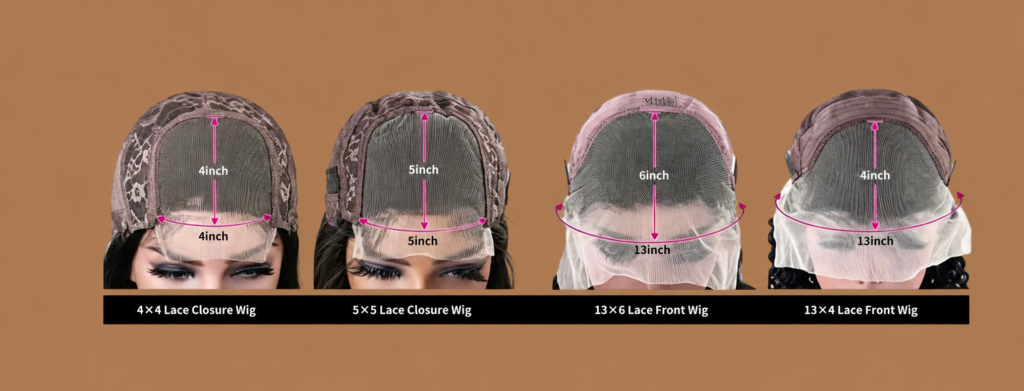
For glueless wigs wholesale, comfort and cap fit matter as much as fullness because customers may remove and reinstall their wigs frequently. Record the cap size, lace dimensions, hair length, texture, and density in your sample specifications.
A custom wig manufacturer should help translate your preferred appearance into practical requirements, including hairline graduation, parting space, and fullness through the lengths. Honsen Source Hair encourages buyers to approve a physical sample or detailed sample video before confirming larger orders.
If your business serves different customer groups, test several density options before choosing a standard for repeat purchases.
5. Compare Suppliers Before Bulk Purchasing
Price alone is not enough to evaluate a supplier. Ask every wholesale wig manufacturer to confirm the lace type, cap construction, hair processing details, density definition, knot treatment, and quality inspection procedures. Request consistent photos or videos of the hairline, parting, crown, and ends.
When comparing wholesale wigs vendors, prioritize transparent communication and documented specifications. A dependable supplier should explain customization options, potential batch variations, and its process for handling quality concerns.
If you are comparing a human hair wig supplier with a factory offering direct customization, confirm that samples and bulk orders follow the same construction standards. For wholesale lace wigs, specify the approved lace shade, hairline design, and density before production.
Businesses sourcing HD lace front wigs wholesale should also confirm whether private labeling, packaging customization, and repeat-order specifications are available. Keep written records of sample approval, acceptable tolerances, packaging requirements, and order quantities.
A second wholesale wig manufacturer can be evaluated using the same checklist, making it easier to compare quality and value fairly.
6. Create a Practical Quality-Control Checklist
Before approving a production sample, document these criteria:
- Knot visibility under natural and indoor lighting
- Hairline graduation and ventilation consistency
- Density at the front, crown, and lengths
- Lace shade, dimensions, and overall condition
- Hair length, texture, color, and shedding after gentle handling
- Cap fit, comfort, and construction
- Consistency between the approved sample and bulk-order specifications
These checks help buyers compare products objectively and identify differences before merchandise reaches customers. For glueless wigs wholesale, include fit and secure placement in the evaluation rather than focusing exclusively on visual fullness.
A custom wig manufacturer may offer adjustments to density, hairline design, or lace dimensions. Confirm additional charges and lead times before approving changes.
Honsen Source Hair recommends maintaining an approved specification sheet with reference photos. This simple record helps purchasing teams communicate expectations and assess consistency across repeat orders.
Knot visibility and hair density should be evaluated together through consistent lighting, comparable samples, and written specifications. Careful inspection helps B2B buyers look beyond marketing images and density labels when selecting products. Before placing a bulk order, confirm the supplier’s inspection standards, sample requirements, and production consistency. Partnering with an experienced HD lace wig manufacturer can help your business source wigs that meet customer expectations, protect your brand reputation, and support reliable reordering.