
Wholesale Human Hair Wigs: How to Make a Bun Without Showing the Cap
Wholesale human hair wigs offer versatile styling options, including elegant buns for everyday wear and special occasions. However, creating a bun without exposing the wig cap can be challenging, especially when the hair is pulled upward or gathered too tightly. For retailers and wig wearers, understanding cap construction, lace coverage, and proper styling techniques is essential for achieving a natural look from every angle.
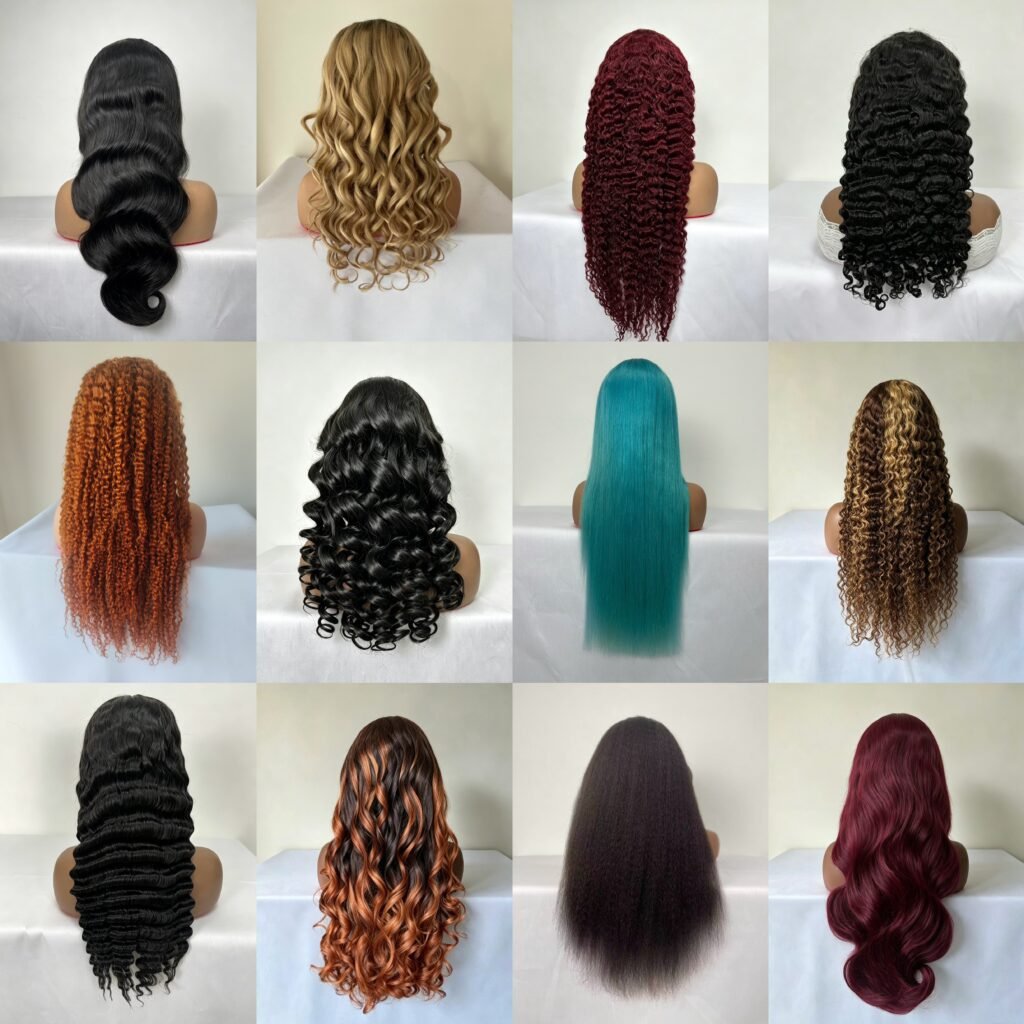
Choose the Right Wig for a Natural Bun
When selecting wholesale human hair wigs, choose a design based on bun height. A low bun exposes less of the perimeter than a high bun, so a standard lace-front design may work if the sides and back stay covered.
For more styling space at the front, 13×6 lace front wigs wholesale options offer a deeper lace area for parting and hairline adjustment. However, extra frontal depth does not mean the entire cap is lace. Buyers should check the construction before presenting wholesale human hair wigs as suitable for full updos.
For easy installation, glueless wigs wholesale styles with adjustable straps and combs can help limit movement. A secure fit matters because a shifting cap may become visible when hair is pulled upward.
HD lace front wigs wholesale designs can create a discreet hairline when the lace color and placement suit the wearer. However, HD lace does not cover the back or sides. The hairstyle must still work with the actual cap design.
When comparing wholesale lace wigs, review lace coverage, cap size, density, and styling options together. These checks help buyers source wholesale human hair wigs that fit their customers’ styling needs. A human hair wig supplier should explain which designs are suitable for low buns, ponytails, or more flexible updos.
How to Create a Bun Without Exposing the Cap
1. Prepare the wig and secure the fit.
Before styling wholesale human hair wigs, position the wig correctly and adjust the straps. The hairline should look natural, and the cap should feel secure without excess tension. Brush gently and identify areas that need additional coverage.
2. Choose a low or mid-height bun.
A low bun keeps gathered hair close to the nape. A mid-height bun can also work if the cap stays covered. Avoid pulling hair upward if this exposes the perimeter.
3. Leave hair around the perimeter.
Do not gather every strand tightly. Keep a light layer over the sides and back, where the lace or cap edge ends, and let the lower layers cover the base. This technique helps wholesale human hair wigs maintain a more natural appearance when styled up.
4. Secure the bun gently.
Make a loose ponytail with a snag-free tie, then twist the length around its base. Secure it with matching U-shaped pins. Insert pins into the bun, not through the lace. Excess tension can pull the wig backward.
5. Check the style from every angle.
Check the front, sides, and back with a mirror. Look for tracks, lace edges, or gaps at the nape. If the cap shows, loosen or lower the bun and reposition the surrounding hair.
Common Mistakes That Make the Wig Cap Visible
A common mistake is choosing a high bun without checking cap coverage. A standard lace front is not a full-lace design. Customers comparing wholesale lace wigs should understand this difference before choosing a style for frequent updos. This distinction is important when choosing wholesale lace wigs for updo-focused customers. Reliable wholesale wigs vendors should explain these limits clearly.
Too little hair may not cover the base, while excessive density can create a bulky bun. Match density to the desired look and wig length.
Avoid pulling hair too tightly, applying heavy products near the lace, or pushing pins through delicate lace. These habits can cause damage. A human hair wig supplier should provide clear care and styling guidance.
What Wholesale Buyers Should Check Before Ordering
For retailers, salons, and private-label brands, styling suitability matters. Ask wholesale wigs vendors for clear photos of the front, sides, back, and inside cap. Request a demonstration of the intended bun or ponytail rather than relying only on front-facing images.
A china lace wig factory should clarify whether a design is lace front, 360 lace, or full lace, and identify which areas can be exposed. Confirm cap measurements, density, hair length, lace dimensions, and adjustment features. These details help buyers meet customer expectations.
When evaluating 13×6 lace front wigs wholesale, check the actual lace depth and side coverage. For glueless wigs wholesale, test whether the fit stays secure during gentle movement. Compare HD lace front wigs wholesale samples under different lighting to assess how naturally the lace blends.
Ask for a sample before placing a bulk order. Test it on a mannequin or model, create the bun customers are likely to wear, and inspect the cap from multiple angles. This check reveals limits that product photos may hide and helps buyers compare wholesale human hair wigs by performance.
Choose the Right Wig for Your Market
A bun-friendly wig depends on cap coverage, fit, density, length, and technique. Match these features to the hairstyles customers wear.
As a china lace wig factory and wholesale partner, Honsen Source Hair can help buyers compare cap constructions and product specifications. Honsen Source Hair supports wholesale customers who need sample evaluation and options for different markets. When sourcing wholesale human hair wigs, compare wholesale human hair wigs by lace coverage, cap measurements, density, and styling suitability before confirming an order. Honsen Source Hair encourages buyers to test samples and select designs that help customers create natural-looking buns without exposing the cap.