
China Human Hair Wig Manufacturer: 7 Factors to Compare OEM/ODM Suppliers
Selecting a china human hair wig manufacturer is a strategic decision for beauty brands, salon suppliers, and distributors. The right OEM/ODM partner should do more than provide attractive samples. It should maintain consistent quality, support customization, communicate clearly, and fulfill repeat orders reliably. This guide explains how to evaluate manufacturers before committing to bulk purchases.
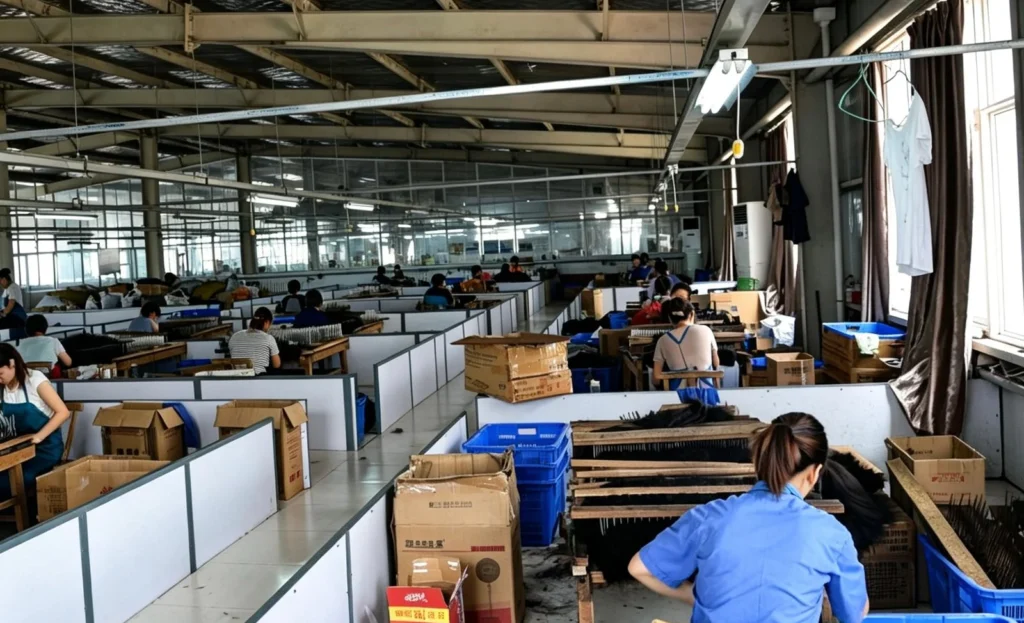
1. Verify Production Capabilities and Product Range
Start by checking whether the factory can produce the styles your customers need. Ask about wig construction, lace options, textures, lengths, colors, cap sizes, density, and customization limits. If you plan to sell wholesale human hair wigs, request an updated catalog and detailed specifications rather than relying on photos alone.
For lace wigs wholesale orders, confirm the lace material, dimensions, hairline design, and parting space. If your collection includes glueless wigs, ask about adjustable straps, combs, elastic bands, and other available cap features.
A capable china human hair wig manufacturer should explain which specifications can be customized and how changes affect pricing and production time.
2. Evaluate Hair Quality and Quality Control
Product descriptions alone cannot establish hair quality. Ask how the hair is sourced, sorted, processed, colored, and inspected. Clarify terms such as “virgin hair,” “Remy hair,” and “100% human hair,” and request written specifications that accurately describe the materials.
Discuss quality checks for shedding, tangling, knot security, lace durability, cap stitching, color consistency, and texture after washing. When purchasing human hair bundles wholesale, confirm how bundle weight, length, and texture are measured. For wigs, request clear photos or videos showing the hairline, knots, lace, cap interior, and finished style.
A reliable manufacturer should explain its inspection procedures and agree on acceptable standards before production. Ask whether pre-shipment inspections are available and how defects are documented and resolved. Keep approved samples and specifications as references for future orders.
3. Confirm OEM/ODM and Private-Label Services
OEM manufacturing generally follows your specifications, while ODM services may adapt existing designs. Ask whether the supplier supports custom colors, cap construction, packaging, labels, logo placement, and branded accessories.
A custom wig manufacturer should clarify sample fees, design responsibilities, revision limits, and ownership of packaging artwork. Before requesting a quotation, prepare a brief covering your target customers, product range, branding requirements, and launch schedule.
For private-label businesses, confirm that branding and product specifications can be reproduced consistently across samples and bulk orders. Honsen Source Hair can discuss available customization options based on your requirements.
4. Compare MOQ, Pricing, and Total Costs
Never compare suppliers by unit price alone. Request quotations that separately identify product specifications, quantities, samples, packaging, customization fees, production lead times, payment terms, and shipping costs.
Check whether minimum order quantities apply per style, color, length, or total order. If you are comparing wholesale wigs vendors, provide each supplier with the same product brief and quantity breakdown. This makes quotations easier to compare fairly.
For lace wigs wholesale orders, confirm whether lace dimensions or hair density affect pricing. Ask which cap features are included in the quoted price instead of assuming they are standard. A transparent quotation helps you calculate costs and protect your profit margins.
5. Assess Communication and Order Management
Clear communication is essential when specifications cross languages and time zones. Before paying a deposit, confirm who manages your account, how changes are approved, and how production updates are shared. Request written confirmation of the final specifications, timeline, payment milestones, packaging, and shipping method.
A dependable human hair wig supplier should answer questions directly, explain technical limitations, and avoid making unsupported delivery promises. Ask how urgent changes, material shortages, and quality disputes are handled.
If you are comparing a second custom wig manufacturer, use the same questions and documentation requirements. Consistent evaluation helps you distinguish dependable partners from suppliers that offer attractive prices but unclear terms.
6. Check Repeat-Order Consistency and Scalability
A sample demonstrates what a supplier can produce once; repeat orders reveal whether its processes are consistent. Ask how approved samples are documented and how the factory tracks materials, colors, construction, and inspection results. Discuss production capacity and possible lead-time changes during busy periods.
If your business sells wholesale human hair wigs through multiple channels, consistent products can reduce returns and protect your reputation. A backup supplier may help manage future demand, but establish clear specifications and quality benchmarks before dividing production between factories.
7. Match Products to Your Target Market
Choose products according to customer needs rather than catalog size. Salons may require varied textures and lengths, while distributors may prioritize dependable stock planning, consistent specifications, and clear packaging labels.
For lace wigs wholesale collections, assess natural-looking hairlines, parting flexibility, and installation requirements. For glueless styles, evaluate cap fit, comfort, grip, and security during normal wear.
When comparing human hair extensions wholesale options, check whether lengths, weights, and textures meet your customers’ expectations. A clearly defined product range makes purchasing decisions easier and supports more accurate product listings.
8. Use a Written Supplier Evaluation Checklist
Score each candidate against consistent criteria: hair quality, customization, communication, minimum order quantities, price transparency, lead times, inspection procedures, and repeat-order capability. Test samples using the same evaluation checklist and record your findings.
Before placing a bulk order, confirm every specification in writing. Keep copies of the approved sample details, quotation, and final order sheet. The best supplier is not necessarily the cheapest; it is the partner whose quality, service, and production capabilities match your business requirements.
For buyers comparing a human hair wig supplier, prioritize documented specifications, realistic timelines, responsive communication, and repeatable quality. Honsen Source Hair encourages buyers to prepare their requirements before requesting an OEM/ODM quotation. By applying these criteria consistently, you can identify a china human hair wig manufacturer that supports your brand’s long-term sourcing needs.